

Choosing the right packaging goes beyond looks as it’s a business decision that affects product safety, costs, logistics, and how customers perceive your brand.
Many product owners struggle with questions like how much protection is enough, which materials make sense, and whether packaging will work smoothly with their operations. The right choice can reduce damage, improve efficiency, and strengthen brand trust, while the wrong one can create hidden costs and headaches.
In this guide, we’ll break down how to choose the right packaging for your product in a practical, step-by-step way that business owners can actually use.
4 Reasons Why Packaging Matters
Packaging plays a critical role in how your product is protected, perceived, and experienced. The right packaging helps your product arrive safely, communicates your brand’s value, and supports long-term business goals such as sustainability and customer loyalty. For product owners, packaging decisions directly affect costs, operations, and how customers feel when they receive your product.
-
Protects Your Product During Shipping and Handling
Packaging is your product’s first line of defense against damage. Well-designed packaging absorbs impact, prevents movement, and protects against moisture, dust, and pressure during transport and storage. When products arrive in perfect condition, businesses see fewer returns, lower replacement costs, and higher customer satisfaction.
-
Influences Customer Perception and Brand Identity
Packaging is often the first physical interaction customers have with your brand. The materials you choose, the design, and even how the package opens all send a message about quality, reliability, and attention to detail. Thoughtful packaging helps reinforce brand positioning; whether premium, practical, or innovative, and builds trust with customers.
-
Impacts Environmental Footprint and Sustainability Efforts
Packaging choices affect your environmental impact more than many businesses realize. Using recyclable, reusable, or lightweight materials can reduce waste, lower carbon emissions, and support sustainability commitments. For many customers and partners, eco-conscious packaging is no longer optional, it’s an expectation.
-
Plays a Role in Marketing and the Unboxing Experience
Packaging has become part of the product experience itself. A well-designed unboxing moment can create excitement, encourage repeat purchases, and even drive organic exposure through social sharing. In competitive markets, packaging can be a powerful marketing tool that extends beyond the shelf.
Common Types of Packaging
Different products require different packaging solutions to ensure they are protected, stored efficiently, and presented effectively. Choosing the right packaging type depends on your product’s characteristics, industry requirements, and how it moves through the supply chain.
Flexipack offers a range of packaging solutions designed to balance protection, performance, and visual appeal across multiple industries.
Flexible Pouches and Bags
Lightweight, durable, and highly versatile, flexible pouches and bags are ideal for food products, chemicals, and small consumer goods. Flexipack’s pouch solutions can be customized with resealable features and printed designs to improve usability while reinforcing brand identity.
Protective Films and Wraps
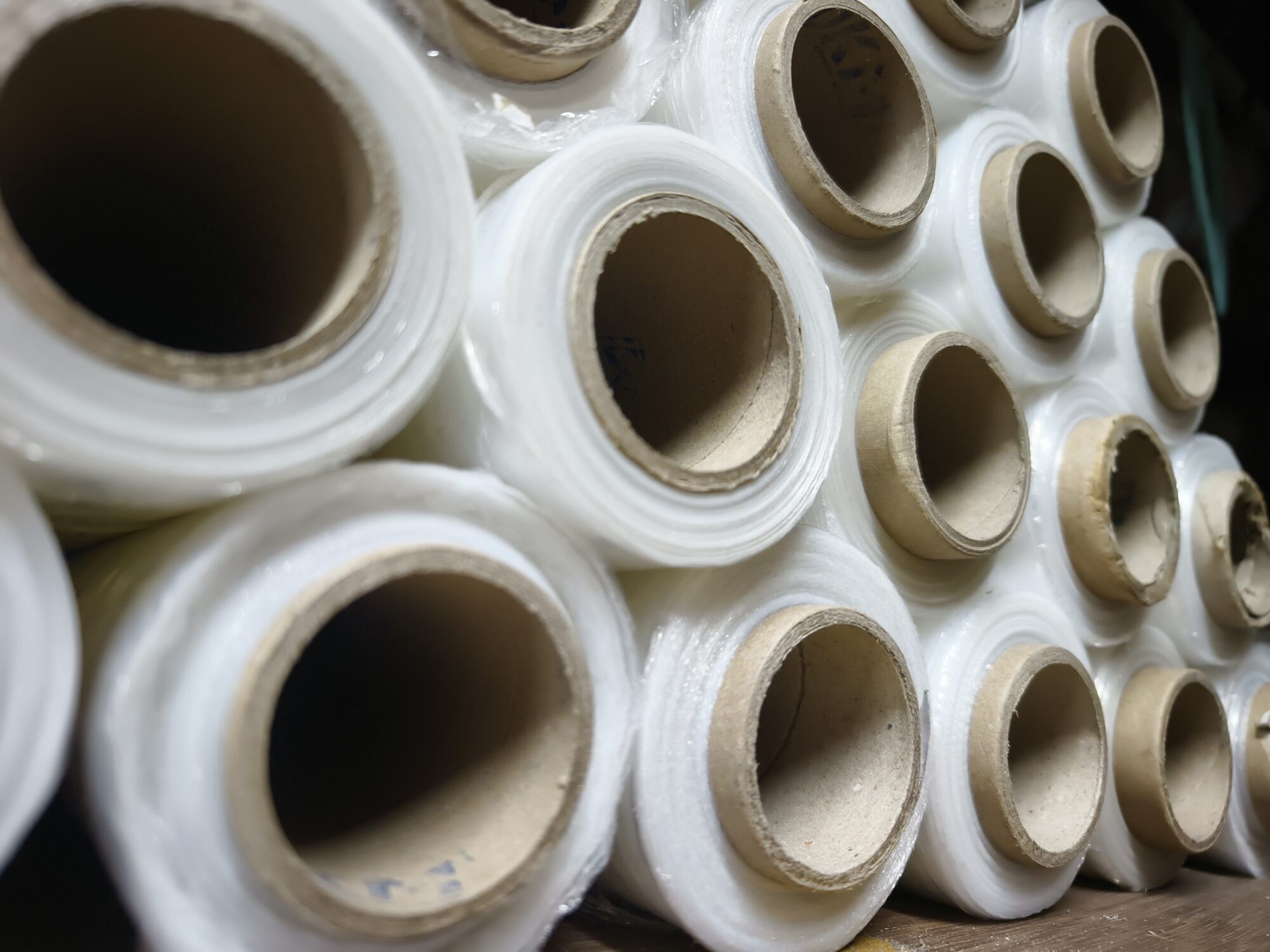
Protective films are commonly used for bulk or industrial products that require protection during shipping and storage. Flexipack provides stretch films, shrink wraps, and VCI films that guard against dust, moisture, and mechanical damage throughout logistics processes.
VCI Packaging for Metals
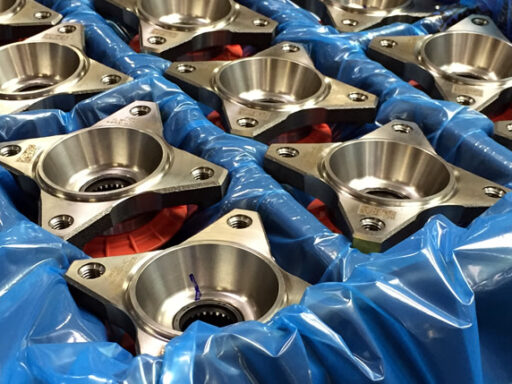
VCI packaging is designed specifically to prevent corrosion on metal parts and components. Flexipack’s VCI solutions help industrial clients protect metal products during long-term storage or transport without additional coatings or oils.
Custom Printed Packaging
Custom printed films and pouches combine functional protection with branding. These solutions help products stand out on shelves while maintaining packaging integrity and durability.
Multi-Layer and Barrier Packaging
For products sensitive to moisture, oxygen, or light, multi-layer films provide enhanced barrier protection. Flexipack’s barrier packaging solutions help extend shelf life and maintain product stability.
Reusable and Eco-Friendly Solutions
Flexipack also offers recyclable and sustainable packaging options, supporting eco-conscious brands without compromising on protection or performance.
Factors to Consider When Choosing Packaging
Once you understand why packaging matters, the next step is knowing what to evaluate before making a decision. Choosing the right packaging isn’t about a single factor, it’s about balancing product protection, brand experience, sustainability, cost, and logistics so everything works together smoothly.
-
Product Type & Fragility
Start by understanding what your product needs to stay safe. Fragile, perishable, or sensitive items require packaging that absorbs shock, controls moisture, or prevents movement, while sturdier products may need only basic protection. Matching packaging strength to product fragility helps avoid damage without over-engineering.
-
Branding & Customer Experience
Packaging plays a key role in how customers perceive your brand. Colors, materials, textures, and how the package opens all contribute to the overall experience. Thoughtful packaging can elevate your product, reinforce your brand identity, and create an unboxing moment customers remember.
-
Sustainability & Materials
More customers and partners expect environmentally responsible packaging. Choosing recyclable, reusable, or lightweight materials can reduce waste and support sustainability goals without compromising functionality. Aligning packaging materials with your brand values also builds trust and long-term loyalty.
-
Cost & Budget
Packaging should protect your product and support your brand — but it also needs to make financial sense. The goal is to balance quality and cost by selecting materials and designs that meet your needs without unnecessary complexity or expense. Smart packaging choices can reduce damage, returns, and long-term costs.
-
Logistics & Size Considerations
Packaging affects how products are stored, shipped, and handled throughout the supply chain. Oversized or inefficient packaging increases shipping costs and wasted space. Optimizing size, weight, and stackability helps improve logistics efficiency and lowers transportation expenses.
How to Choose The Right Packaging For Your Products
Choosing packaging gets easier when you treat it like a decision process and not a design task. The goal is to protect the product, fit your customer’s habits, and keep operations efficient, all without overspending or overcomplicating production.
Understand Your Product First
Before anything else, get clear on what your product needs to stay safe and presentable from warehouse to customer. The more specific you are here, the fewer surprises you’ll face later.
- Product type and fragility – Identify whether it’s delicate, perishable, heavy, or scratch-prone so you can choose the right protection level.
- Size and dimensions – Aim for a snug fit to reduce movement, minimize damage risk, and avoid wasted shipping space.
- Special requirements – Consider needs like moisture resistance, temperature protection, or tamper evidence depending on your industry and use case.
Know Your Customer and Their Experience
Packaging isn’t just what the product arrives in — it’s part of how customers judge quality and ease of use. When packaging feels thoughtful, customers trust the product more.
- Ease of opening and use – Make it intuitive and frustration-free, especially for repeat use or older users.
- Unboxing experience – Small structural details like compartments, neat folds, or clean presentation can elevate perceived value.
- Convenience for storage – Think about whether the packaging can be resealed, stacked, reused, or disposed of easily.
Packaging Materials and Options
Material choice affects protection, cost, branding, and sustainability — so it’s worth deciding with intention, not habit.
- Boxes and cartons – Best for fragile products, shipping protection, and sets; strong branding surface and structure.
- Bags and pouches – Lightweight, flexible, and great for snacks, textiles, supplements, and accessories; can add resealable features.
- Bottles and jars – Ideal for liquids, powders, and creams; sealing and durability matter as much as shape.
- Flexible add-ons – Films, wraps, and inserts can add protection, bundling, or premium feel without switching the main packaging type.
- Material pros and cons – Evaluate durability, weight, cost, barrier performance, print quality, and recyclability.
Sustainability Considerations
Sustainable packaging only works if it still performs. The best options reduce waste and meet product protection standards.
- Eco-friendly materials – Use recyclable, reusable, or biodegradable options where they make sense operationally.
- Align with brand values – Sustainability can support positioning, especially if your audience actively cares about it.
- Practicality and compliance – Ensure materials meet safety needs, regulations, and your supply chain realities.
Tips for Testing Your Packaging Choices
Before finalizing your packaging, testing helps confirm that it performs as expected, both in protecting the product and delivering a positive customer experience. Even well-designed packaging can fail if it hasn’t been tested under real-world conditions.
Drop and Impact Testing
These tests simulate how packaging behaves during shipping, stacking, and handling. They are especially important for fragile or high-value products.
- Identifies weak points in structure or cushioning
- Helps reduce breakage, returns, and replacements
- Validates packaging performance in real logistics conditions
Design and Unboxing Feedback
Packaging should not only protect the product but also feel intuitive and purposeful to the end user.
- Gather feedback from internal teams or test customers
- Assess ease of opening, clarity, and perceived quality
- Identify unnecessary complexity or over-packaging
Material and Supplier Trials
Testing multiple materials or suppliers often reveals opportunities to optimize cost without sacrificing performance.
- Compare different material thicknesses and structures
- Evaluate durability versus cost at scale
- Identify more efficient or reliable supply options
Regulatory and Safety Compliance Checks
For regulated industries, testing ensures packaging meets legal and safety standards before launch.
- Verify compliance for food, pharmaceutical, or chemical products
- Confirm material certifications and labeling requirements
- Reduce the risk of recalls, delays, or rework
Here’s a quick table to help you in testing your product packaging options:
| Testing Area | Why It Matters | What to Check |
| Drop & Impact Testing | Prevents damage during shipping | Cushioning, breakage points, deformation |
| Unboxing & Design Review | Improves customer experience | Ease of opening, clarity, presentation |
| Material & Supplier Trials | Controls cost and quality | Thickness, durability, consistency |
| Compliance & Safety | Avoids legal and operational risk | Certifications, regulations, labeling |
How Flexipack Can Help Your Business Go Green
Choosing the right packaging is about making responsible decisions that support long-term business as well as environmental goals. As more companies move toward sustainable practices, having the right packaging partner becomes increasingly important.
Flexipack supports businesses in transitioning to greener packaging by offering solutions made from recyclable and eco-conscious materials. Through optimized packaging designs, Flexipack helps reduce material usage, minimize waste, and lower overall packaging footprint without sacrificing protection or performance.
Whether you’re packaging food, industrial products, or consumer goods, Flexipack provides solutions tailored to different product needs while aligning with sustainability objectives. By combining functional packaging with environmental responsibility, Flexipack helps businesses move forward with confidence and credibility.
Frequently Asked Questions on Choosing The Right Packaging
What is the first thing to consider when choosing packaging?
Start by understanding your product itself: its fragility, size, weight, and any special protection needs. Packaging should be designed around how your product is handled, stored, and shipped, not just how it looks.
How can packaging improve customer experience?
Packaging shapes how customers interact with your product from the moment it arrives. Easy-to-open designs, thoughtful presentation, and a smooth unboxing experience can increase satisfaction, encourage repeat purchases, and strengthen brand loyalty.
Should I prioritize sustainability over cost?
It’s best to find a balance. Sustainable packaging is increasingly important to customers, but it still needs to protect your product and fit your budget. Smart material choices often reduce waste and long-term costs without sacrificing performance.
Can packaging really impact product sales?
Yes. Packaging plays a major role in how customers perceive quality and value. Attractive, well-designed packaging can influence buying decisions, differentiate your product on the shelf, and reinforce brand trust.
How do I know which packaging material is best for my product?
The right material depends on durability, protection requirements, shipping conditions, cost, and environmental impact. Testing different options and working with an experienced packaging partner can help you identify the most effective solution.