

As consumers and governments push for more sustainable solutions, businesses are rethinking how their products are packaged and delivered. Biodegradable plastic has emerged as one of the most practical alternatives to conventional plastics, offering the same durability while minimizing environmental impact.
Made from renewable sources such as corn starch or sugarcane, biodegradable plastic breaks down naturally over time, leaving behind only water, carbon dioxide, and organic matter. For brands and manufacturers, adopting biodegradable packaging isn’t just about reducing waste; it’s about leading the shift toward responsible, future-ready production.
What Are Biodegradable Plastics?
The world produces millions of tons of plastic every year, much of which ends up in landfills or oceans for centuries. Biodegradable plastics were created to change that.
They’re engineered to break down naturally through biological processes, reducing waste accumulation and environmental damage. Unlike conventional plastics made entirely from petroleum, biodegradable plastics are often derived from renewable sources such as corn, sugarcane, or starch. Their chemical structures allow microorganisms to consume and decompose them into natural elements like water, carbon dioxide, and biomass.
Biodegradable vs Conventional Plastics
To understand the value of biodegradable plastic, it helps to see how it differs from conventional plastic at a structural and environmental level. Both materials may look similar, but their composition, source, and end-of-life behavior are completely different. The table below highlights these key contrasts.
| Aspect | Biodegradable Plastic | Conventional Plastic |
| Raw Materials | Made from renewable sources such as corn starch, sugarcane, or other biopolymers | Made from non-renewable petroleum-based polymers |
| Degradation Process | Breaks down naturally through microbes, oxygen, and moisture | Resistant to natural decomposition, lasting hundreds of years |
| Byproducts After Decomposition | Converts into water, carbon dioxide, and biomass | Leaves behind microplastics and toxic residues |
| Environmental Impact | Reduces landfill accumulation and carbon footprint | Contributes to long-term waste and ocean pollution |
| End-of-Life Options | Can be composted or biodegraded under controlled conditions | Requires mechanical recycling or ends up in landfills |
| Business Advantage | Aligns with sustainability goals and eco-friendly branding | Increasingly restricted by regulations and consumer pressure |
With a clear understanding of what sets them apart, let’s explore how biodegradable plastics are actually made and why their production process plays a key role in their environmental credibility.
How Biodegradable Plastics Break Down
Once exposed to the right conditions, biodegradable plastics begin a natural degradation process. Microbes in soil, compost, or water consume the carbon within the material, converting it into harmless byproducts. Depending on the formulation and environment, this process can take anywhere from a few months to a few years, which is far shorter than the centuries it takes for traditional plastic to disappear.
Common Misconceptions
One of the biggest misunderstandings is that all biodegradable plastics are automatically compostable. While both break down biologically, compostable plastics must meet strict standards to decompose under specific industrial conditions.
Likewise, “biodegradable” doesn’t always mean “eco-friendly” if products are disposed of improperly. The key to sustainability lies not only in material design but in responsible waste management.
How Biodegradable Plastics Are Made
The appeal of biodegradable plastic goes beyond its eco-friendly reputation, it starts with how it’s made. Unlike conventional plastics that rely on petroleum, biodegradable plastics are produced from renewable or bio-based resources.
Their manufacturing process combines modern biotechnology and sustainable sourcing, helping companies reduce dependence on fossil fuels while supporting circular production systems.
Plant-Based Sources
Many biodegradable plastics originate from plants such as corn, sugarcane, or cassava, which are rich in natural starches or sugars. These organic materials are converted into polymers through fermentation and polymerization processes, creating plastics like PLA that mimic the strength and transparency of traditional plastics.
For businesses, using plant-derived materials also supports renewable sourcing strategies that can be shared with consumers as part of sustainability reporting or brand storytelling.
Microbial Fermentation
Another method involves using microorganisms to produce natural polymers, such as PHA (polyhydroxyalkanoates). Through fermentation, microbes convert plant-based oils or sugars into polymers that can be harvested, processed, and molded into biodegradable packaging.
This innovative approach showcases the potential of biotechnology to replace petroleum-based plastics with fully natural alternatives, a powerful message for companies looking to align with science-driven sustainability.
Blends and Additives
To enhance performance, biodegradable plastics can be blended with materials like starch, PBS (polybutylene succinate), or PBAT (polybutylene adipate terephthalate). These blends improve strength, flexibility, and resistance to moisture, allowing biodegradable packaging to meet the durability demands of modern logistics.
Businesses can tailor these formulations to match their packaging needs, from food containers to industrial films, without compromising on eco-friendly goals.
What Makes Them Biodegradable
What truly distinguishes these materials is their ability to break down through natural processes. When exposed to the right combination of moisture, oxygen, and microbial activity, the polymers degrade into water, carbon dioxide, and biomass — leaving no toxic residues behind. This closed-loop cycle mirrors nature’s own recycling system, making biodegradable plastics a credible and measurable part of corporate sustainability initiatives.
Types of Biodegradable Plastics
Not all biodegradable plastics are the same. Each type has its own composition, breakdown behavior, and ideal applications. Understanding these differences helps businesses choose materials that align with their sustainability goals, regulatory requirements, and packaging performance needs.
PLA (Polylactic Acid)
Derived from renewable resources like cornstarch or sugarcane, PLA is one of the most widely used biodegradable plastics in packaging today. It offers clarity and strength similar to PET, making it suitable for cups, containers, and food packaging. PLA performs best in controlled composting environments and is ideal for companies seeking cost-effective, plant-based packaging for short product cycles.
PHA (Polyhydroxyalkanoates)
PHA is produced through microbial fermentation, where microorganisms convert organic materials into biodegradable polymers. It’s fully compostable and even safe for marine environments. PHA is commonly used for medical-grade applications such as sutures and capsules, as well as premium packaging where high biodegradability and performance are required.
Starch-Based Plastics
Made by blending natural starch with synthetic polymers, this material offers fast degradation and strong mechanical properties. Starch-based plastics are often used for shopping bags, food wraps, or single-use packaging. They’re especially attractive to businesses aiming to transition away from polyethylene without major changes to manufacturing processes.
Other Types (PBS, PBAT, and Blends)
Emerging materials like PBS (polybutylene succinate) and PBAT (polybutylene adipate terephthalate) provide high flexibility, heat resistance, and compostability. These materials are often used in agricultural films, industrial packaging, and flexible applications that demand both durability and sustainability.
For many manufacturers, these blends represent the next generation of biodegradable plastics — strong enough for performance, gentle enough for the planet.
Benefits of Biodegradable Plastics
Switching to biodegradable plastics is more than an environmental gesture, infact it’s a smart business move. These materials offer multiple advantages that touch every part of the value chain, from compliance and logistics to brand reputation and customer satisfaction.
Environmental Benefits
Biodegradable plastics help address the global waste crisis by returning materials safely to nature. Unlike traditional plastics that persist for centuries, these alternatives decompose into non-toxic elements that can reintegrate into the environment.
Key Benefits:
- Reduced landfill waste: Degrades naturally, easing pressure on waste management systems.
- Lower carbon footprint: Made from renewable, low-emission materials.
- Less harm to ecosystems: Eliminates microplastic pollution and reduces risks to marine life and wildlife.
Practical Benefits for Businesses
Beyond sustainability goals, biodegradable plastics bring real business value. They align with government regulations, corporate ESG commitments, and customer expectations without sacrificing performance.
Key Benefits:
- Regulatory compliance: Meets environmental packaging requirements and emerging bans on single-use plastics.
- Operational convenience: Simplifies disposal and reduces recycling complexity.
- Market advantage: Enables eco-friendly labeling and sustainable certifications.
- Reputation building: Demonstrates responsibility and innovation to investors and partners.
Consumer Benefits
Customers increasingly prefer brands that act responsibly — and packaging is often the first touchpoint for that impression. Biodegradable plastic packaging makes sustainability visible and accessible.
Key Benefits:
- Customer trust: Reinforces environmental commitment and transparency.
- Convenience: Some materials (like PLA) can be composted at home or through local programs.
- Cleaner experience: No oily residues or chemical smells compared to coated plastics.
- Long-term loyalty: Encourages repeat purchases from eco-conscious consumers.
Why Businesses Should Use Biodegradable Plastics
For modern companies, switching to biodegradable plastics is both a responsible and strategic decision. It improves compliance, strengthens brand image, and future-proofs operations against rising environmental expectations.
Environmental Impact and Compliance
Adopting biodegradable plastics allows businesses to actively contribute to global waste reduction while maintaining compliance with tightening environmental laws. Many regions now regulate or ban single-use plastics, and switching early helps companies avoid disruption or costly transitions later.
Beyond compliance, using biodegradable materials supports measurable ESG goals and contributes to certifications such as ISO 14001 or Green Label, reinforcing corporate accountability.
Key Points:
- Reduces landfill accumulation and plastic pollution.
- Lowers greenhouse gas emissions across the supply chain.
- Helps achieve sustainability reporting and certification targets.
Brand and Marketing Advantage
Sustainability has become a deciding factor for modern consumers and partners alike. Packaging made from biodegradable materials sends a clear signal that a company is proactive about environmental responsibility.
This positioning not only builds consumer trust but also enhances investor confidence and opens opportunities with eco-conscious retailers and B2B partners.
Key Points:
- Differentiates brands in crowded markets through visible sustainability action.
- Strengthens reputation and aligns with global consumer values.
- Supports long-term customer loyalty and positive brand storytelling.
Operational Benefits
Beyond compliance and image, biodegradable plastics improve day-to-day operations. They integrate smoothly into existing packaging lines and often simplify waste management by reducing recycling complexity.
With flexible formulations and strong performance, these materials offer both functionality and environmental credibility, making them a win for efficiency and reputation alike.
Key Points:
- Compatible with current packaging systems and formats.
- Simplifies disposal for businesses and end-users.
- Minimizes risk of penalties or negative publicity linked to unsustainable practices.
Who Benefits from Biodegradable Plastics
The move toward biodegradable plastics isn’t just driven by environmental concern, as mentioned, it’s also a smart business strategy. Companies that adopt sustainable materials gain operational, regulatory, and reputational advantages while positioning themselves as forward-thinking industry leaders.
Food and Beverage Industry
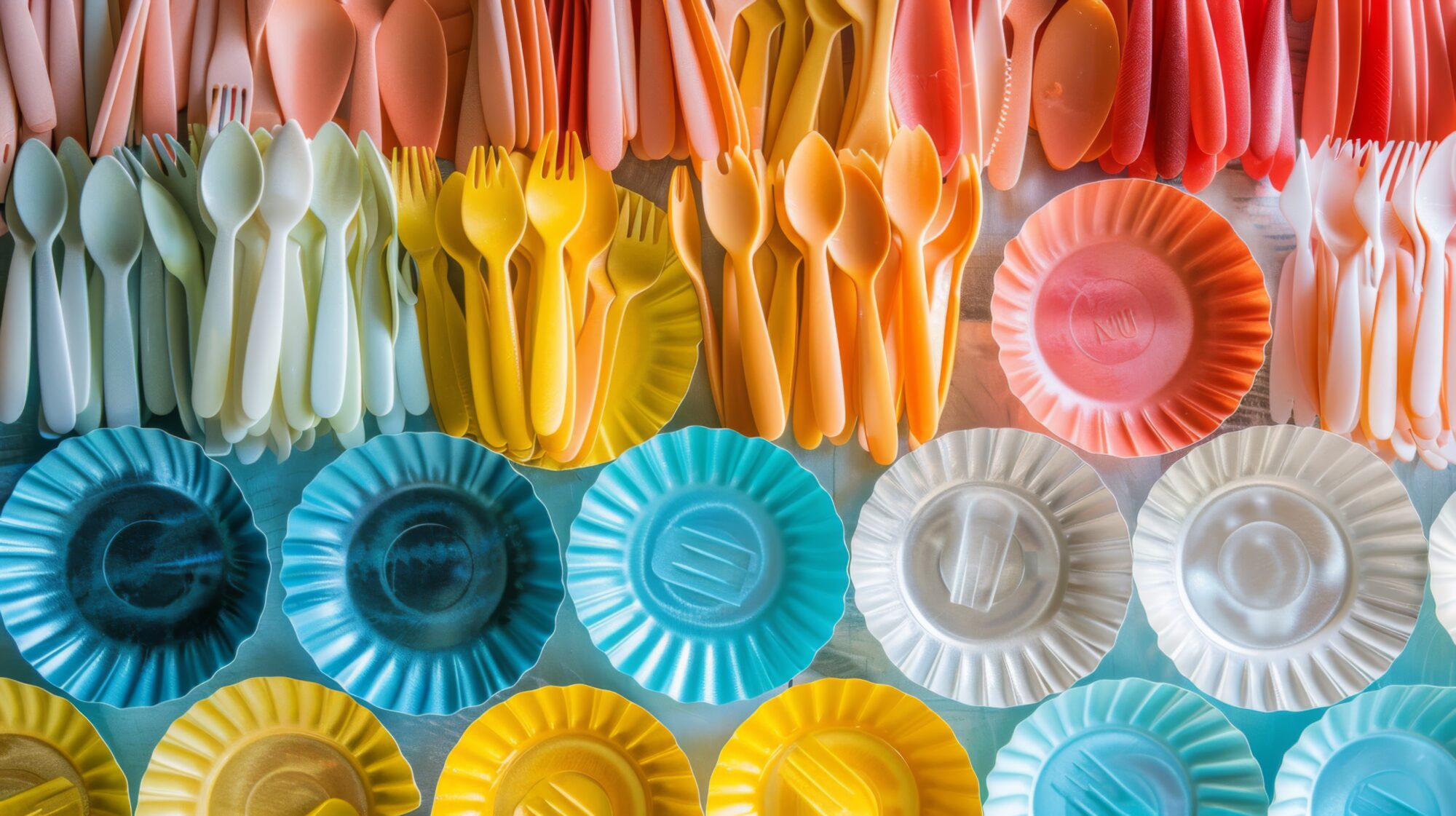
Food brands and manufacturers use biodegradable plastics for cups, containers, cutlery, and wrapping. These materials maintain hygiene and durability while giving consumers guilt-free convenience — perfect for cafes, delivery services, and quick-service restaurants seeking sustainable packaging solutions.
Retail and E-Commerce
Retailers are switching to biodegradable shopping bags, garment wraps, and mailer packaging to reduce plastic waste. Beyond meeting environmental targets, it also strengthens brand image by showing customers that sustainability is built into every purchase experience.
Logistics and Distribution
Biodegradable packaging films and cushioning materials are increasingly used in warehouses and shipping centers. They help businesses cut down on non-recyclable waste while complying with sustainability goals and reducing disposal costs.
Healthcare and Medical Supplies
Hospitals and pharmaceutical companies adopt biodegradable plastics for disposable items like syringes, blister packs, and capsules. These materials offer safety and sterility while supporting greener waste management practices in sensitive environments.
Agriculture and Industrial Applications
Farmers and manufacturers use biodegradable films and bags for mulching, fertilizer wrapping, and temporary industrial storage. These products degrade naturally after use, helping industries lower cleanup costs and environmental impact.
Why Flexipack Is the Sustainable Partner You Can Trust
Choosing the right packaging partner is essential for businesses aiming to balance performance and sustainability. Flexipack leads the way in helping companies transition to biodegradable plastic solutions that meet both environmental standards and operational demands.
With years of experience in advanced packaging technologies, Flexipack offers customizable biodegradable options, from films and bags to specialized industrial materials, crafted to suit your products and industry requirements. Every solution undergoes strict quality testing to ensure durability, compliance, and true environmental benefit.
Beyond manufacturing, Flexipack provides expert guidance and long-term support, helping clients select the right materials, optimize packaging design, and communicate their sustainability journey effectively. Partnering with Flexipack means choosing innovation, integrity, and impact so your business can lead with purpose while protecting the planet.
FAQs on Biodegradable Plastic Packaging
What are biodegradable plastics?
Biodegradable plastics are materials that break down naturally through microbial or enzymatic processes, turning into water, carbon dioxide, and biomass without leaving harmful residues. They offer a sustainable alternative to conventional plastics.
How are biodegradable plastics made?
They can be made from renewable plant-based sources like corn or sugarcane, through microbial fermentation to produce polymers like PHA, or using starch and other additives to improve performance.
What makes biodegradable plastics different from compostable plastics?
Not all biodegradable plastics are compostable. Biodegradable plastics break down over time in natural environments, while compostable plastics meet specific industrial or home composting standards and fully convert into nutrient-rich soil.
Why should my business switch to biodegradable plastics?
Switching helps reduce environmental impact, ensures compliance with increasing regulations, enhances brand image with eco-conscious consumers, and provides operational benefits like easier disposal and reduced risk of fines.
What types of biodegradable plastics are available for packaging?
Common types include PLA (plant-based, ideal for food packaging), PHA (microbial-based, high performance), starch-based plastics (cost-effective, fast-degrading), and blends like PBS or PBAT for specialized applications.
Are biodegradable plastics suitable for all packaging needs?
Yes, but selection depends on product requirements, including durability, barrier properties, shelf-life, and disposal method. Flexipack can help match the right material to your business needs.
Do biodegradable plastics cost more than conventional plastics?
They can have a slightly higher upfront cost, but businesses often gain long-term benefits such as regulatory compliance, improved brand image, and reduced environmental liabilities.
How should businesses dispose of biodegradable plastics?
Some types require industrial composting facilities, while others degrade naturally in soil or water. Choosing the right material and end-of-life management ensures proper breakdown and sustainability compliance.
Can biodegradable plastics replace all single-use plastics?
They can replace many single-use items like cups, containers, shopping bags, and cutlery, but performance and disposal requirements must be considered for each use case.
How can Flexipack help businesses transition to biodegradable plastics?
Flexipack offers custom solutions, quality assurance, and expert guidance to choose the right materials, optimize packaging performance, and support regulatory and sustainability goals.