

Plastic granules may look small and simple, but the plastic granule type you choose can quietly shape your entire product, from their performance and durability to cost and sustainability.
For manufacturers, procurement teams, and packaging businesses, these granules are the foundation of every plastic component, film, or package that reaches the market. The right plastic granule type can improve production efficiency, reduce waste, and future-proof your materials strategy, while the wrong choice can lead to higher costs and inconsistent quality.
Understanding the different plastic granules types is no longer just a technical decision but a very crucial and strategic one. In this guide, we’ll break down the different plastic granules types and explain how to choose the right option for your application.
What Are Plastic Granules?
Plastic granules are the starting point of nearly every plastic product used in manufacturing today. Though small in size, they play a critical role in determining how plastic products look, feel, and perform once they’re produced. But what are they?
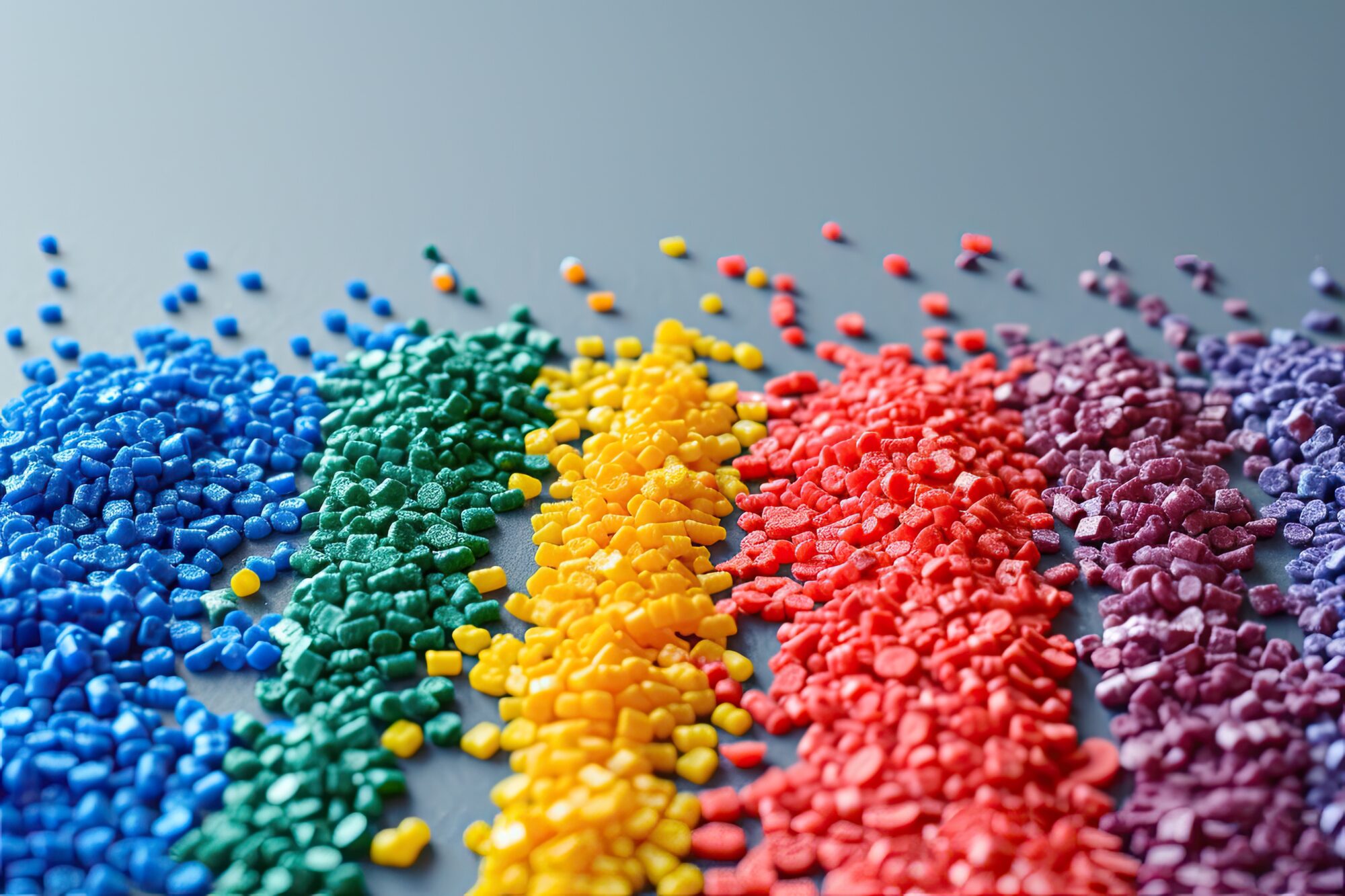
Plastic granules are small, uniform pellets used as raw materials in plastic manufacturing. They are melted, molded, or extruded to form finished products such as packaging, containers, films, and industrial components. Using granules allows manufacturers to control material consistency and production efficiency.
How Plastic Granules Are Made
Plastic granules are created through a series of controlled industrial processes. Raw polymers are first produced through polymerization, then melted and shaped during extrusion. The material is cut into small pellets in a process known as pelletizing, resulting in granules that are easy to store, transport, and feed into production machines.
Why Plastic Granules Matter in Manufacturing
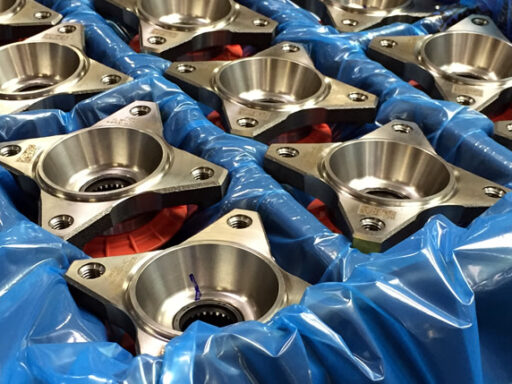
Granules act as the foundation for a wide range of plastic products. From flexible packaging films to rigid containers and automotive parts, the quality of the granules directly affects strength, flexibility, and appearance. High-quality granules help ensure smooth production and predictable results.
The Importance of Uniformity and Purity
Uniform size and material purity are essential for consistent melting and molding. Variations or contamination in granules can lead to defects, weak spots, or surface imperfections in finished products. For manufacturers, choosing the right granules means better quality control, less waste, and more reliable output.
The 3 Different Types of Plastic Granules
Plastic granules fall into three primary categories, each with distinct characteristics suited to different industrial applications.
- Virgin Plastic Granules are manufactured from pure, raw polymers without any recycled content. These granules are prized for their superior strength, consistent quality, and excellent clarity, making them ideal for high-performance or food-grade applications.
- Recycled Plastic Granules are made from post-consumer or post-industrial plastic waste. While they may have slightly lower physical properties compared to virgin granules, they significantly reduce environmental impact and are more cost-effective, offering a sustainable solution for many industries.
- Masterbatch Granules are concentrated formulations containing pigments or additives. These are blended with virgin or recycled plastic to modify characteristics like color, UV resistance, or flame retardancy.
When comparing the three, virgin granules offer premium durability and finish but come at a higher environmental and financial cost. Recycled granules balance cost and eco-performance, while masterbatch granules enhance specific properties, often used in combination with the other two.
Here’s a quick table of reference to compare the main differences between each:
| Feature | Virgin Plastic Granules | Recycled Plastic Granules | Masterbatch Granules |
| Source | Pure raw polymer | Post-consumer or post-industrial waste | Pigment/additive concentrates in carrier resin |
| Clarity & Appearance | High clarity and uniformity | Varies, often less clear | Depends on base resin + additive color |
| Durability | Excellent mechanical strength | Moderate, may degrade over time | Enhances or modifies base resin properties |
| Cost | Highest | Lower | Medium (varies by formulation and additives) |
| Environmental Impact | High (resource-intensive) | Low (sustainable choice) | Varies (used to reduce waste or improve efficiency) |
| Common Use Cases | Food packaging, medical supplies, premium goods | Construction, packaging, automotive | Coloration, UV protection, flame retardancy, etc. |
The Different Types of Recycled Plastic Granules
As global industries move toward more sustainable manufacturing practices, recycled plastic granules have become a cornerstone of eco-conscious production. By reprocessing plastic waste into usable raw materials, these granules help reduce landfill load, lower carbon emissions, and minimize the need for virgin plastic.
Understanding the types of recycled granules is essential for businesses aiming to meet environmental regulations and consumer demand for greener products.
Recycled plastic granules come in several key categories based on their source and processing method:
-
Post-Consumer Recycled (PCR) Granules
Recovered from plastic items discarded by consumers after use. These help close the loop in the recycling chain.
Common examples:
- Plastic bottles turned into new packaging films
- Used containers repurposed for household goods
- Recycled bags transformed into outdoor furniture
-
Post-Industrial Recycled (PIR) Granules
Sourced from leftover materials or rejects from manufacturing lines. These are cleaner and more consistent than PCR.
Common examples:
- Factory scrap remelted into auto parts
- Trim waste reused in electronic device casings
- Production overruns converted into storage bins
-
Upcycled Granules
Recycled plastics that are chemically or mechanically enhanced to restore or improve their properties.
Common examples:
- Upgraded granules used in premium consumer products
- High-strength pellets applied in construction panels
- Modified plastics for use in durable fashion accessories
The table below offers a quick comparison of the three recycled granule types based on key factors like cost, durability, and environmental impact to help guide material selection.
| Attribute | Post-Consumer Recycled (PCR) | Post-Industrial Recycled (PIR) | Upcycled Granules |
| Cost | Low | Medium | Higher (due to processing) |
| Durability | Moderate | Good | High (often comparable to virgin) |
| Environmental Performance | Excellent (most sustainable) | Very Good | Good (improved waste utilization) |
Common Materials Used in Plastic Granules
The properties and performance of plastic granules are largely determined by their base materials. Each polymer type offers unique characteristics that make it suitable for specific applications across industries.
- Polyethylene (PE) is one of the most widely used plastics, known for its lightweight nature and moisture resistance. It’s commonly found in packaging films, plastic bags, and squeeze bottles.
- Polypropylene (PP) stands out for its stiffness, chemical resistance, and heat tolerance. It’s frequently used in automotive components, food packaging, and medical devices due to its durability and safety.
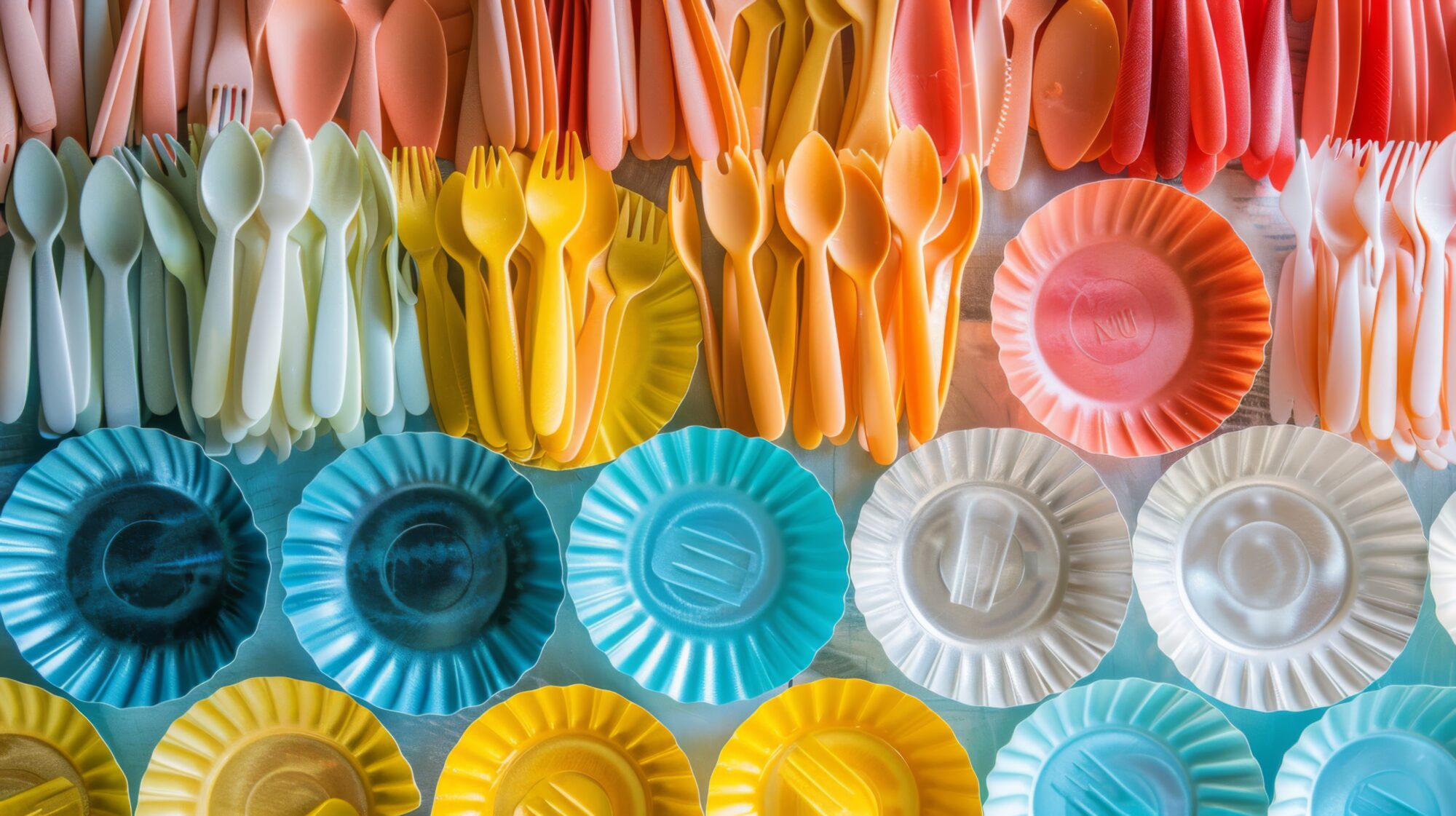
- Polystyrene (PS) is a rigid and transparent material, valued for its clarity and ease of molding. It’s often used in consumer electronics casings, CD cases, and disposable cutlery.
- Polyethylene Terephthalate (PET) is a strong, transparent, and fully recyclable polymer. It’s the go-to material for beverage bottles, food containers, and synthetic fibers used in textiles.
- Polyvinyl Chloride (PVC) is known for its strength, weather resistance, and versatility. Applications range from plumbing pipes and window frames to electrical cables and flooring materials.
Understanding these core materials helps manufacturers choose the right granule type based on function, aesthetics, and regulatory requirements.
Applications of Different Plastic Granule Types
Plastic granules serve as the foundation for countless products across major industries. Their diverse material properties ranging from flexibility and transparency to heat resistance make them ideal for a wide range of real-world uses.
-
Packaging Industry
Granules like PE, PET, and PP are essential in packaging due to their lightweight nature, flexibility, and food-grade safety. PET offers excellent clarity and strength for beverage bottles, while PE provides moisture resistance for films and wraps. PP is commonly used in caps and microwave-safe containers because of its heat tolerance and chemical resistance.
-
Automotive Sector
Automotive components require materials that can handle mechanical stress, heat, and wear over time. PP granules are widely used for interior parts like dashboards and trims due to their toughness and low density. Recycled or upcycled blends are increasingly used in non-structural parts to reduce manufacturing costs and environmental impact without sacrificing function.
-
Construction
For pipes, window frames, and flooring, materials must withstand the elements and last for years. PVC granules are ideal here because of their durability, chemical resistance, and flame retardancy. Recycled granules are also used in insulation and structural fillers, offering cost-effective, sustainable solutions.
-
Electronics
Plastic granules used in electronics must be rigid, safe, and resistant to electrical currents. PS is a common choice for casings due to its dimensional stability and gloss finish. Flame-retardant masterbatches are added to protect devices from overheating or electrical fires, especially in wire insulation.
-
Textiles and Consumer Goods
PET granules are melted and drawn into fibers for clothing and upholstery, prized for their strength, lightness, and recyclability. PP and recycled PE are popular in items like reusable containers, buckets, and storage bins thanks to their toughness and ease of molding into complex shapes.
Choosing the Right Plastic Granules for Your Business
In today’s rapidly evolving manufacturing landscape, your choice of material directly impacts product performance, brand perception, environmental responsibility, and ultimately, profitability.
Think of granules as the DNA of your product. The material you start with shapes everything that follows which includes how your product looks, feels, lasts, and even how it tells your brand story.
Use the guide below to evaluate your needs and make informed decisions.
Step 1: Define Your Product Needs
Your product’s shape, function, and environment determine which material is best. Clarifying performance expectations helps prevent over- or under-specifying the plastic.
- Does my product need to be clear or transparent? (→ Choose PET)
- Will it be exposed to heat or chemicals? (→ Consider PP or flame-retardant masterbatch)
- Does it need to be flexible or rigid?
- Is impact resistance important? (→ Go for HDPE, PP, or toughened blends)
Step 2: Consider Industry Requirements
Each industry has specific performance, safety, and regulatory needs. Choosing compliant materials builds trust and avoids costly production errors.
- Food-grade safety required? → Use virgin PET or PP with certification.
- Automotive or mechanical strength needed? → Choose PP, PIR, or upcycled composites.
- Outdoor or weatherproof applications? → Go for PVC or UV-stabilized masterbatch.
- Textile or consumer product use? → Use PET for fibers, PE/PP for containers.
Step 3: Balance Cost and Sustainability
Material cost and environmental impact are often trade-offs. Smart blends can help businesses meet both financial goals and eco-conscious expectations.
- Budget-sensitive project? → Consider PIR (Post-Industrial Recycled) granules.
- Eco-conscious branding? → Highlight PCR (Post-Consumer Recycled) content on packaging.
- Need to reduce carbon footprint without sacrificing strength? → Use a mix of virgin + recycled granules.
Step 4: Customize with Additives (Masterbatch)
Masterbatches enhance base plastics with color, UV resistance, and performance upgrades. They also help standardize appearance and meet branding specs.
- Want vibrant color or brand-specific tones? → Use color masterbatch.
- Require UV resistance, anti-static, or flame-retardant features? → Choose functional masterbatches.
- Need to mask recycled content? → Add masterbatch for color and finish control.
Example Use Cases: These examples show how different businesses align material choices with their product goals, regulations, and sustainability values.
| Business Type | Material Strategy Example |
| Food Delivery Startup | Clear PET containers with recyclable label |
| Automotive Supplier | Durable PP blends with functional masterbatch |
| Sustainable Home Goods Brand | Products made with PIR and eco-labeling |
| Electronics Manufacturer | PS casings + flame-retardant masterbatch |
Expert Tips & Common Mistakes When Choosing Plastic Granules
Still unsure on how to choose the right plastic granules? Here’s what industry experts recommend, and what to watch out for.
Expert Tips
- Match material to stress conditions: High-impact parts (like automotive trims or tool handles) need durable resins like PP or reinforced blends. Don’t compromise on structural integrity.
- Use masterbatch strategically: Instead of overengineering the base material, apply targeted additives (like UV, flame retardants, or antibacterials) to meet specific performance or compliance needs.
- Blend virgin and recycled granules wisely: This allows you to balance cost, strength, and eco-appeal. Ideal for non-load-bearing items where recycled content won’t compromise performance.
- Always ask for test data and certifications: Especially for food-grade, medical, or export applications. Reliable suppliers will provide technical datasheets, RoHS, FDA, or REACH documentation.
Common Mistakes to Avoid
- Assuming all recycled plastics are the same: PCR and PIR have different properties and consistency levels. Misusing them can lead to poor finish, warping, or failure under stress.
- Skipping compatibility testing: Adding a masterbatch without testing it with your base resin can lead to mixing issues, uneven coloration, or product rejection.
- Overlooking long-term aging or weather exposure: Some plastics degrade under sunlight or moisture. Use UV stabilizers or weather-resistant polymers (like PVC or treated PP) for outdoor use.
- Choosing based only on cost: Cheap granules might save upfront but cost more in downtime, returns, or product recalls. Prioritize quality-to-cost balance.
Moving Toward Sustainable Material Choices
Choosing the right plastic granules means more than meeting technical specs, it’s about aligning performance with environmental responsibility.
Recycled granules reduce reliance on virgin materials, cut production costs, and support closed-loop manufacturing. They help businesses lower waste, meet sustainability goals, and align with frameworks like ESG and Thailand’s BCG economy model.
The shift toward recycled content and circular production is accelerating and businesses that adapt early will lead.
Not sure where to begin? We’re here to help. Partner with Flexipack to discover plastic solutions that are high-performing, cost-effective, and built for a sustainable future.